
Air Cargo Demand Is Rising, But Capacity Discipline Matters More
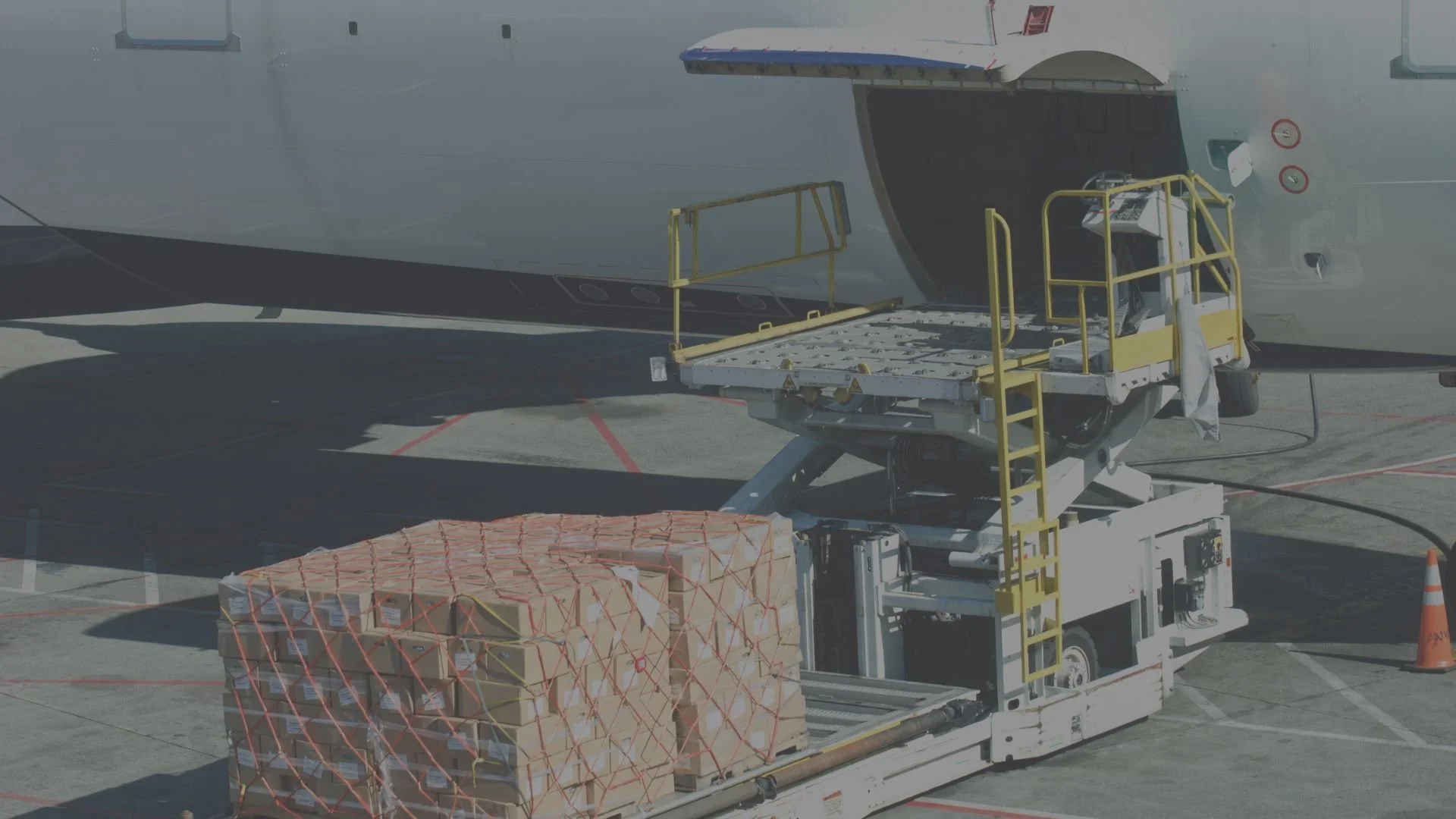
Air cargo continues to prove its value in a world where supply chains are under pressure.
In late June, IATA reported that global air cargo demand increased in May, with several regions showing strong year-over-year growth. The report pointed to continued demand across key trade lanes, even as regional disruption, higher operating costs, and uneven export conditions created a more complicated operating environment.
For companies that rely on time-sensitive freight, this is an important signal. Air cargo remains one of the most powerful tools in global logistics, especially when speed, reliability, and market responsiveness matter. It can help companies bridge supply chain gaps, support urgent replenishment, move high-value goods, and keep critical inventory flowing when ocean routes face disruption.
But rising demand also brings a warning.
When air cargo demand grows faster than available capacity, shippers can face tighter space, higher rates, and more pressure to plan ahead. The companies that treat air freight as an emergency-only option may find themselves competing for capacity at the worst possible moment. The companies that build air cargo into a broader logistics strategy are often better positioned to manage cost and service levels.
This is especially important in a market where not every region is moving in the same direction. Some trade lanes are growing, while others are being affected by geopolitical disruption and shifting routing patterns. A strong logistics strategy should not assume that one global trend applies evenly across every lane, carrier, airport, or customer need.
For SecurCapital, the continued strength of air cargo reinforces the importance of flexible transportation planning. Air freight is not simply a faster version of ocean freight. It is a strategic tool that requires timing, visibility, coordination, and discipline. Used correctly, it can protect service levels and support growth. Used reactively, it can become an expensive response to problems that could have been anticipated earlier.
The larger lesson is clear. Logistics leaders need to understand not just where demand is rising, but where capacity is tightening, where trade lanes are shifting, and where customers may need faster or more reliable solutions.
In today’s market, speed has value. But speed without planning can become cost without control. The strongest supply chains will be the ones that know when to use air cargo, when to preserve it, and how to integrate it into a resilient global logistics model.