
CMA CGM and FedEx Signal the Next Phase of Integrated Logistics
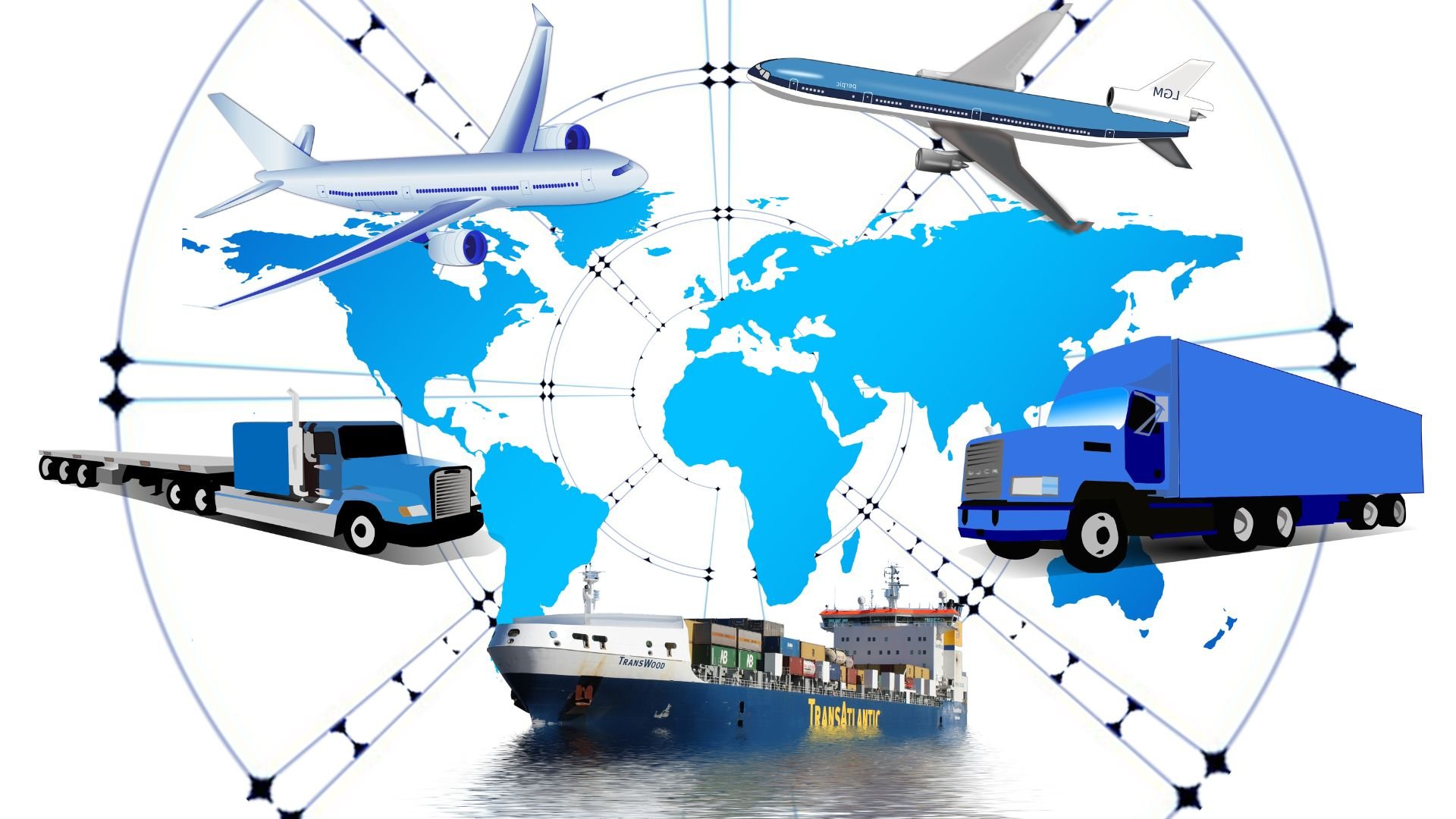
One of the biggest logistics stories this past week points to a larger shift in the market: the future of supply chain management is becoming more integrated.
On July 1, CMA CGM agreed to acquire FedEx Supply Chain, the third-party logistics business of FedEx, in a transaction valued at $1.4 billion. The deal is expected to strengthen CMA CGM’s logistics platform through CEVA Logistics and expand its contract logistics presence in North America.
This is more than a single acquisition. It is another sign that major transportation and logistics companies are moving beyond isolated freight services and building broader platforms that connect warehousing, ocean freight, air cargo, fulfillment, and customer-facing supply chain solutions.
That matters because customers are no longer looking only for movement from one point to another. They are looking for reliability, visibility, cost control, inventory support, and responsiveness across the full supply chain. A company that can connect freight, warehousing, fulfillment, and data has a stronger ability to manage complexity for customers.
The transaction also reflects a practical reality in global logistics. Freight markets are volatile. Ocean shipping can swing with fuel costs, trade policy, capacity changes, port conditions, and geopolitical disruption. Air cargo can tighten quickly. Warehousing demand can shift with consumer behavior and inventory strategy. Integrated logistics platforms give operators more ways to serve customers when one part of the market becomes stressed.
For SecurCapital, this market movement is worth watching closely. The logistics industry is rewarding companies that can build connections across the supply chain rather than operate in narrow silos. The value is not only in transportation assets. It is in coordination, execution, relationships, and the ability to deliver consistent service across multiple operating environments.
This is especially important for companies involved in international commerce. The more complicated the supply chain, the more valuable integration becomes. When goods move across borders, modes, ports, warehouses, and customer delivery points, fragmented systems can create delays, cost leaks, and communication gaps. Integrated logistics can reduce that friction.
The CMA CGM and FedEx Supply Chain transaction shows where the market is heading. Large logistics players are investing in scale, warehousing, freight partnerships, and end-to-end customer solutions. That does not mean every company needs to become a global giant. It does mean that logistics businesses must think more strategically about how their services connect, how their systems communicate, and how their operations support customer growth.
In a market defined by disruption and opportunity, integration is becoming a competitive advantage.