
Red Sea Risk Shows Why Flexible Logistics Planning Still Matters
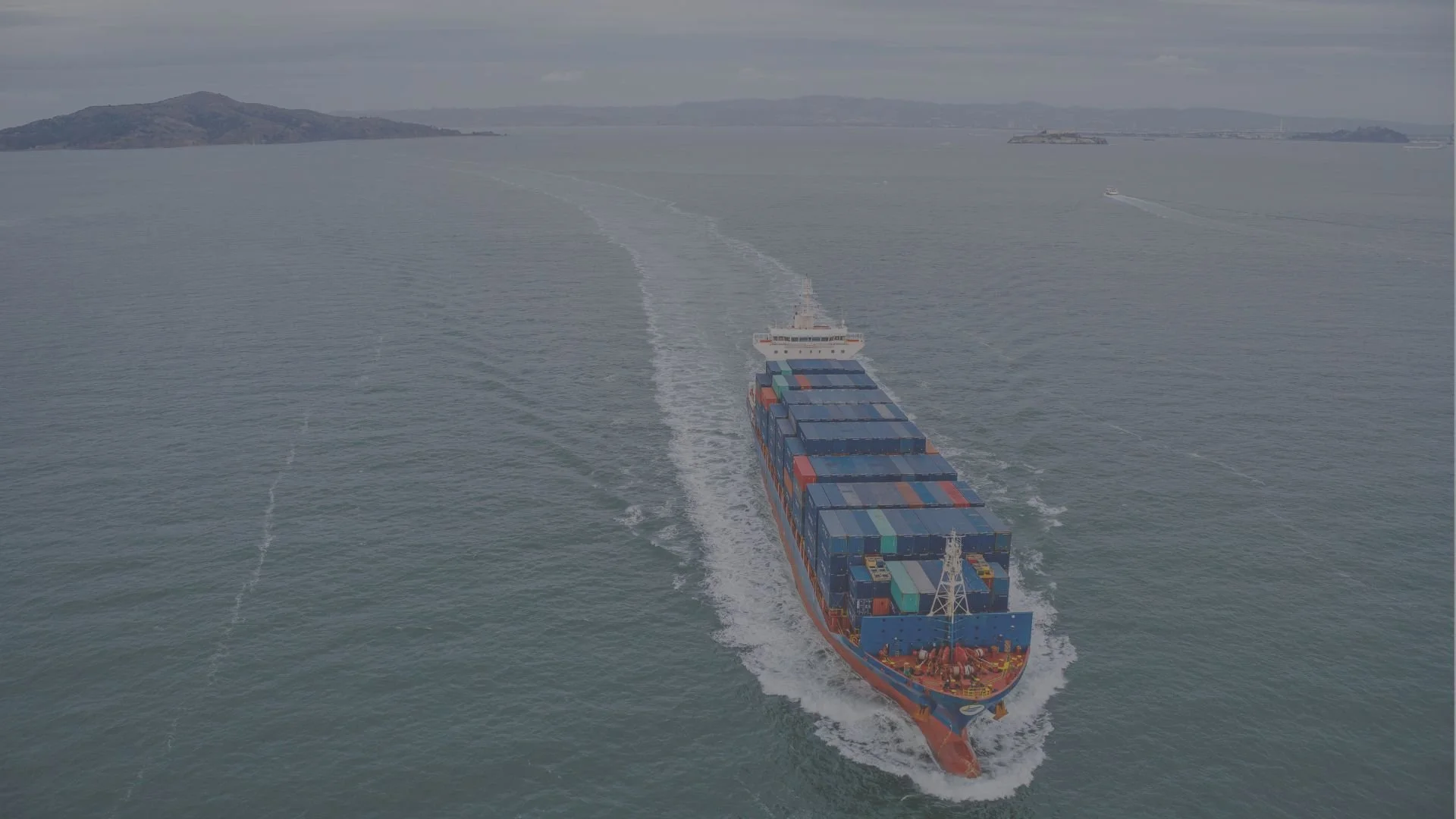
Global logistics is once again being reminded that the shortest route is not always the most reliable route.
In June, renewed concerns around Red Sea shipping placed additional pressure on companies moving goods through one of the world’s most important maritime corridors. The Red Sea and Suez Canal route remain critical for global trade, but recent security concerns have forced shippers, carriers, and freight planners to evaluate whether speed, cost, and reliability can still be balanced through traditional routing assumptions.
For businesses that depend on international movement of goods, this is not just a geopolitical issue. It is an operational issue. When a vessel route changes, everything downstream can change with it. Transit times may increase. Fuel costs may rise. Delivery windows may become less predictable. Inventory plans may need to be adjusted. Customer communications may need to be updated before delays become missed expectations.
That is where strong logistics planning becomes essential.
Modern supply chains need more than a single preferred route. They need options. A resilient logistics strategy should include alternate carrier relationships, visibility into port and lane conditions, flexible inventory planning, and clear escalation procedures when risk increases. Companies that wait until disruption is already affecting cargo often have fewer choices and less negotiating power.
The Red Sea situation also shows the importance of freight visibility. In a stable market, many companies can rely on predictable lead times and standard cost models. In a disrupted market, those assumptions can break down quickly. Leaders need to know where goods are, which lanes are under pressure, and how changes in routing may affect delivery schedules, customer commitments, and cash flow.
For SCC, these developments reinforce a larger point about the future of logistics. The strongest operators will not be defined only by the assets they control. They will be defined by how quickly they can adapt, communicate, and protect continuity across changing conditions.
Supply chain resilience is not a slogan. It is a working discipline. It is built through planning, partnerships, data, and the willingness to prepare for disruption before disruption arrives.
As global trade continues to move through uncertain conditions, companies that invest in flexible logistics planning will be better positioned to protect customers, manage costs, and maintain momentum when the market shifts.