
Tariffs, Volatility, and Why Freight Still Has to Move
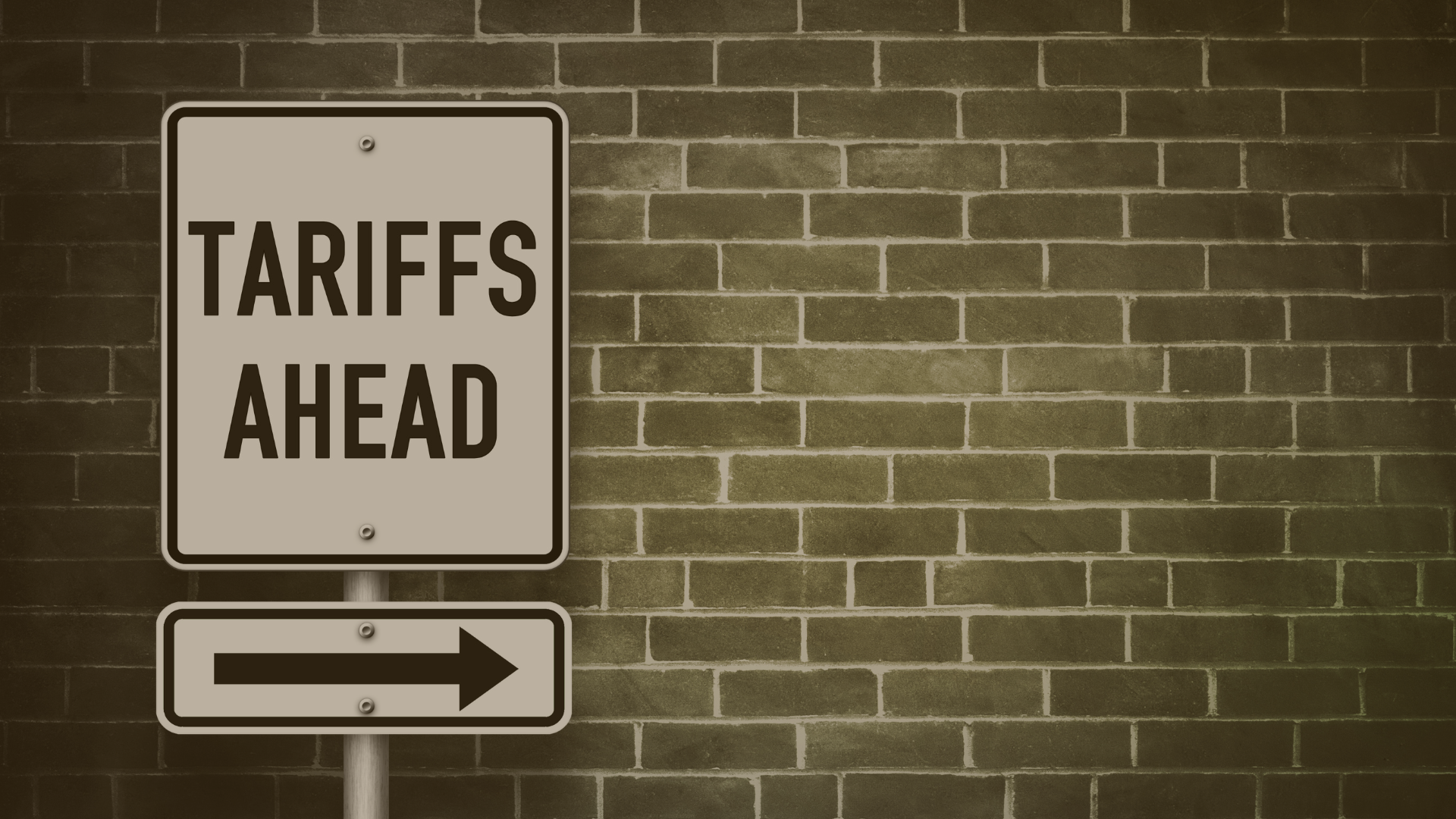
Volatility Has Not Stopped Global Trade. It Has Reshaped It.
For the past several years, global trade headlines have been dominated by uncertainty. Tariffs continue to shift. Geopolitical tensions persist. Manufacturing footprints are in flux. Carrier capacity has tightened and loosened in cycles.
Yet one fact continues to cut through the noise. Freight still has to move.
Recent data showing the Port of Los Angeles approaching another record year underscores a reality that supply chain professionals understand well. Trade does not disappear when conditions become difficult. It adapts.
Goods are rerouted. Gateways change. Strategies evolve. But the flow continues.
Why Freight Volumes Remain Strong Despite the Noise
The assumption that volatility automatically suppresses trade is overly simplistic. In reality, uncertainty changes behavior rather than eliminating demand.
First, consumer demand has not collapsed. While discretionary spending has moderated, baseline consumption remains steady. Households continue to purchase essentials, retailers continue to replenish shelves, and e-commerce remains a durable channel.
Second, tariffs alter pathways rather than outcomes. Higher duties may encourage shippers to shift sourcing regions, adjust port selection, or revisit landed cost calculations, but they do not eliminate the need to import goods. Freight moves differently, not less.
Third, manufacturing has become more distributed. The shift toward diversified production across Southeast Asia, Mexico, and India has increased complexity, but it has also created more consistent shipping activity across multiple trade lanes.
Fourth, carriers and ports have learned from recent disruption cycles. Capacity management has improved. Scheduling discipline has returned. Asset utilization is more measured. The result is a system that absorbs volatility with fewer shockwaves than in previous years.
The Port of Los Angeles as a Case Study in Adaptation
The Port of Los Angeles reflects this broader trend. After losing volume during earlier periods of congestion and labor uncertainty, cargo has steadily returned.
Importers are recalibrating. Retailers are normalizing inventory strategies. West Coast transit time advantages remain meaningful, especially for time-sensitive goods. Infrastructure investments and improved labor stability have reinforced confidence.
The takeaway is not that volatility is over. It is that the system has learned how to operate within it.
What This Means for Shippers and Logistics Operators
The current environment rewards preparedness over prediction.
Companies that rely on a single gateway, a single trade lane, or a single sourcing region expose themselves to unnecessary risk. Those that build optionality into their networks gain flexibility.
Financial planning must also evolve. Tariff exposure, freight rate variability, fuel surcharges, insurance costs, and customs delays all influence cash flow. Operators who fail to model these variables often feel the impact long before they see it in performance metrics.
Visibility is equally critical. Knowing where freight is, how much it costs today, and what it is likely to cost tomorrow enables better decisions across procurement, transportation, and inventory planning.
The Role of Capital in a Volatile Trade Environment
Volatility tends to punish undercapitalized operators. Even strong operational performance can be undermined by constrained working capital, delayed payments, or an inability to invest when opportunities arise.
Access to flexible capital allows companies to smooth freight payment cycles, expand capacity strategically, manage customs timing, and invest in technology and infrastructure that support long-term resilience.
In volatile markets, financial strength becomes a competitive advantage.
How SecurCapital Supports Resilient Global Trade Operations
SecurCapital partners with freight forwarders, importers, exporters, and logistics operators who need stability in an unpredictable environment.
Our approach supports diversified gateway strategies, trade finance solutions, cross-border operational alignment, carrier and drayage network optimization, and long-term capital structures that enable growth without overextension.
We focus on helping logistics businesses operate with confidence, even when conditions change quickly.
Volatility will remain part of global trade. The companies that succeed will not be those who wait for certainty, but those who build systems capable of adapting to it.
Preparing for What Comes Next
Looking ahead to 2026, global trade will continue to evolve. Nearshoring will expand. Trade lanes will diversify. Port dynamics will shift again. Tariffs and policy changes will continue to influence decision-making.
Freight will still move.
The question is whether logistics networks are built to move with it.
Ready to Strengthen Your Global Trade Strategy?
If your organization is navigating tariff exposure, gateway diversification, or capital challenges tied to global freight operations, SecurCapital can help.