
Growth at the U.S. Mexico Border and Why It Has Been a Focus for Years
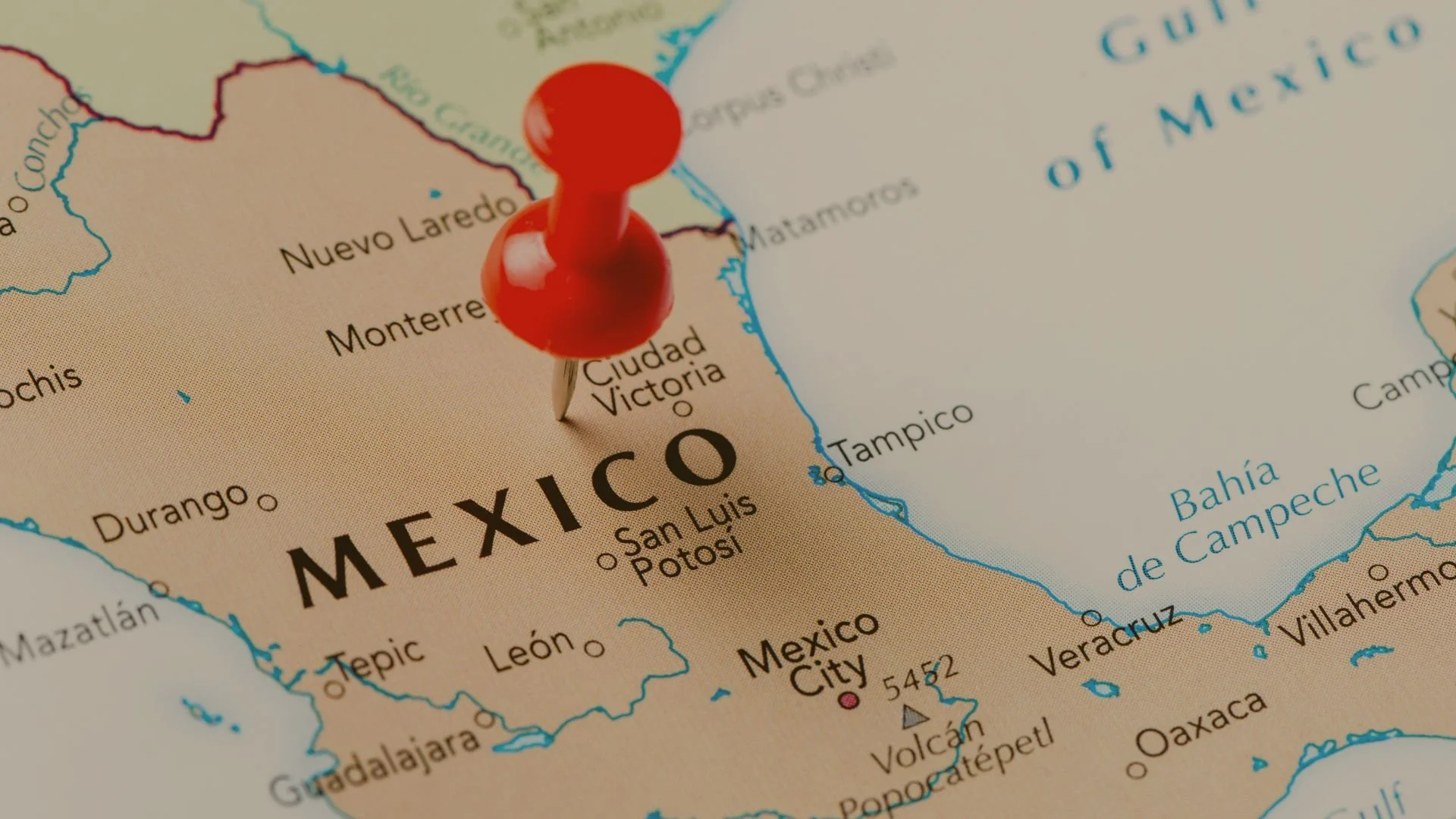
The Border Is Not Emerging. It Is Maturing.
Recent announcements of warehouse expansion and cross-border investment around El Paso and other key border markets may feel new to some observers. In reality, these moves represent the continuation of a long-term shift that has been building for years.
The U.S. Mexico border has evolved from a transit point into a fully integrated logistics ecosystem. Manufacturing, warehousing, transportation, and customs operations now function as a coordinated network rather than isolated steps.
For logistics providers and shippers alike, the border is no longer optional infrastructure. It is central to North American trade strategy.
Why Nearshoring Has Accelerated Border Activity
Nearshoring discussions often focus on geopolitics or labor costs, but the underlying drivers are operational.
Manufacturers want shorter lead times, better inventory control, and reduced exposure to long ocean transit risk. Mexico offers proximity, an experienced industrial workforce, and direct access to U.S. markets.
As production shifts closer to demand, freight flows become more frequent and more predictable. This benefits operators who understand how to manage cross-border complexity at scale.
The result has been steady growth in cross-border volumes across automotive, electronics, apparel, aerospace, and industrial sectors.
El Paso and Similar Markets Are Strategic, Not Opportunistic
El Paso, Laredo, McAllen, and other border gateways function as more than crossings. They serve as staging areas where inventory is consolidated, inspected, stored, and redirected.
Modern border logistics includes bonded warehouses, transloading facilities, short-haul drayage fleets, customs brokerage coordination, and regional distribution centers on both sides of the border.
This infrastructure allows companies to balance speed, cost, and compliance. It also reduces risk when disruptions occur, whether those disruptions are regulatory, operational, or economic.
The Complexity Many New Entrants Underestimate
Cross-border logistics is not simply domestic trucking with paperwork attached. It is a specialized discipline that requires coordination across multiple parties and regulatory frameworks.
Customs documentation must be precise. Carrier selection matters. Driver availability fluctuates. Inspection delays can cascade through a network if not planned for. Tariff classification errors can create financial exposure.
Companies that enter border markets without deep expertise often experience early friction. Those with established relationships and operational experience are better positioned to scale smoothly.
What Successful Border Strategies Have in Common
Effective border logistics strategies share several characteristics.
They prioritize warehousing on both sides of the border to maintain flexibility. They integrate customs brokerage into planning rather than treating it as an afterthought. They invest in drayage capacity and contingency routing. They model total landed cost rather than focusing narrowly on transportation rates.
Most importantly, they recognize that the border is a system, not a single transaction.
SecurCapital’s Long-Term Commitment to Border Logistics
SecurCapital has focused on cross-border logistics well before nearshoring became a headline topic.
Our portfolio and partnerships support cross-border trucking networks, dual-side warehousing, transloading and consolidation operations, customs brokerage alignment, and nearshore manufacturing supply chains.
We invested early because the fundamentals were clear. Trade between the U.S. and Mexico would continue to grow, and logistics infrastructure would need to evolve alongside it.
That foresight now supports customers navigating increased volume, higher expectations, and more complex operational requirements.
Looking Ahead to the Next Phase of Border Growth
The next phase of border growth will be defined by scale and sophistication. As volumes increase, the margin for error decreases.
Operators will need better visibility, stronger financial foundations, and deeper collaboration across transportation, warehousing, and compliance functions.
The border will remain one of the most critical logistics corridors in North America. Companies that treat it as strategic infrastructure rather than a transactional hurdle will be best positioned to grow.
Building a Border Strategy That Lasts
Nearshoring is not a temporary adjustment. It is a structural shift.
Organizations that invest in the right partners, systems, and capital frameworks today will benefit from a more resilient and responsive supply chain tomorrow.
Ready to Strengthen Your Cross-Border Operations?
If your organization is expanding nearshore production or increasing cross-border freight activity, SecurCapital can help.