
Tariff Volatility Is Reshaping North American Supply Chains
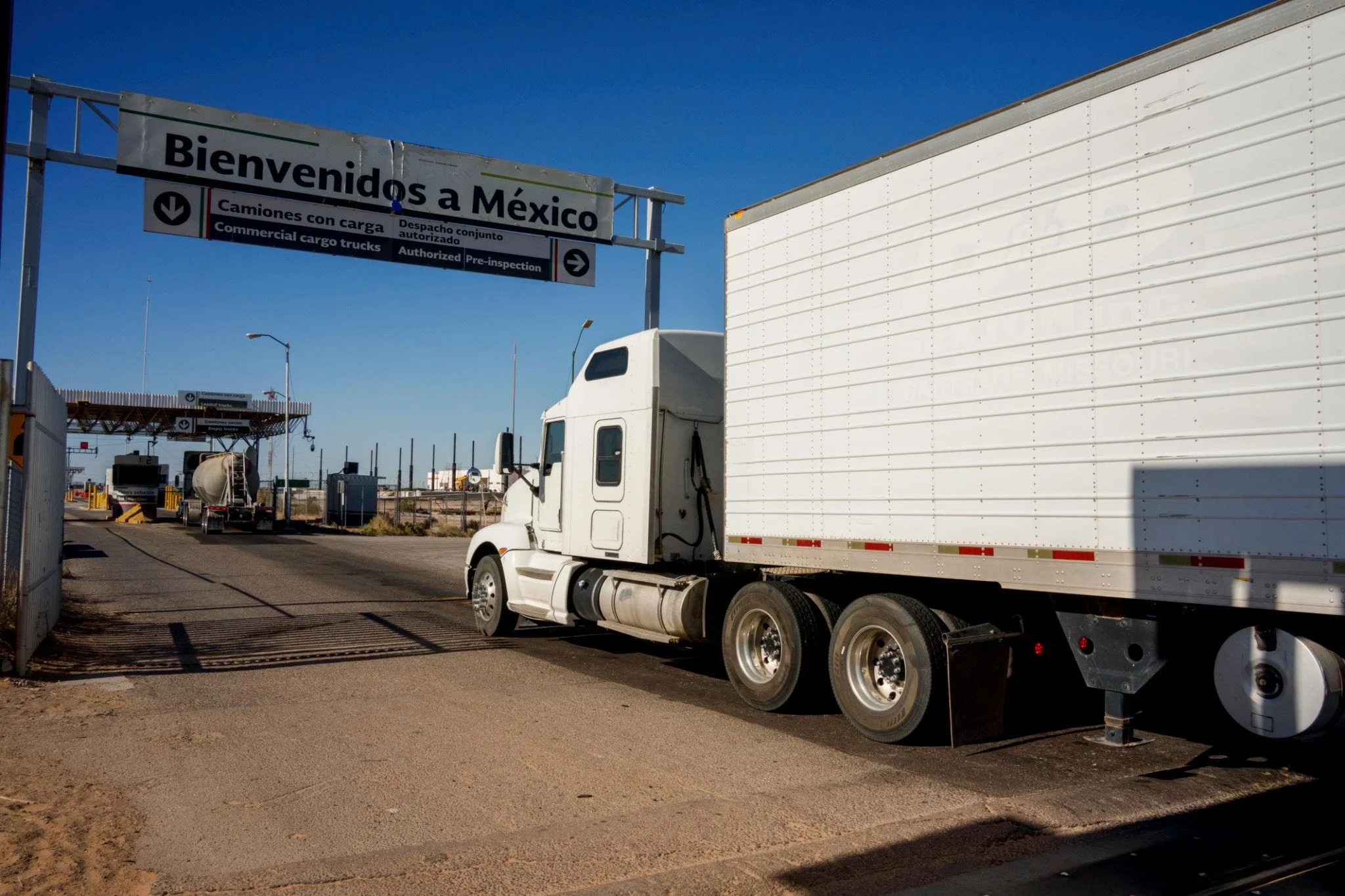
Recent reporting from Supply Chain Dive highlights the evolving status of U.S. tariff actions affecting Canada, Mexico, China, and the European Union. What began as aggressive trade positioning has developed into a fluid and politically contested landscape. For logistics operators, importers, and infrastructure investors, the headline is not simply that tariffs exist. It is that uncertainty has become a structural feature of cross-border commerce.
North American supply chains are deeply integrated. Automotive components cross borders multiple times before final assembly. Consumer goods often blend inputs sourced from Asia with finishing work completed in Mexico or the United States. When tariff policies shift, even temporarily, cost structures move immediately while network redesign takes far longer. This gap between policy speed and operational adaptability creates margin pressure and strategic friction.
For companies operating along the U.S.–Mexico corridor, tariff volatility complicates nearshoring strategies that were already in motion. Many manufacturers have shifted production closer to North American end markets to reduce geopolitical risk and shorten lead times. However, if tariff classifications, exemptions, or retaliatory measures fluctuate, the expected cost advantages of nearshoring can narrow or widen quickly. Investment decisions that were modeled over five to ten years suddenly require updated assumptions.
This environment reinforces a critical reality: trade policy risk must now be embedded into capital planning. It is no longer sufficient to evaluate facility expansions, warehouse leases, or distribution center automation solely on throughput growth. Operators must incorporate scenario analysis that accounts for potential duty changes, cross-border inspections, or regulatory escalation. Capital structures should allow flexibility. Liquidity planning should anticipate working capital swings driven by tariff adjustments.
There is also a valuation dimension to consider. Investors and lenders increasingly scrutinize how logistics and manufacturing firms manage trade exposure. Companies that demonstrate diversified sourcing, alternative routing capabilities, and strong compliance controls are positioned more favorably in risk assessments. Those reliant on a single cross-border flow without contingency planning may face tighter financing terms or reduced multiples. Tariff exposure is becoming part of enterprise risk modeling.
At the same time, volatility can create opportunity. When competitors hesitate, disciplined operators with access to capital can expand capacity, secure strategic warehouse space, or pursue acquisitions in border markets. Trade friction often accelerates regionalization, which strengthens demand for logistics infrastructure. Ports, intermodal hubs, and cross-dock facilities become more critical as companies reconfigure supply networks. The question is not whether freight will move. It is how efficiently and through which channels.
From SecurCapital’s standpoint, the current tariff environment underscores the importance of aligning operational strategy with financial architecture. Businesses that treat trade policy as an afterthought risk reactive decision-making. Businesses that integrate tariff modeling into capital allocation, network design, and growth planning can navigate uncertainty with discipline.
Trade policy will continue to evolve. Political cycles influence negotiations. Enforcement priorities shift. International relationships recalibrate. For supply chain leaders, resilience now requires more than cost optimization. It requires structural flexibility, diversified exposure, and capital strategies designed to absorb regulatory change.
Tariffs may rise or fall in the coming months. The need for strategic alignment between operations and capital will remain constant.