
Johor’s Logistics Growth Highlights the Strength of the Singapore-Malaysia Trade Corridor
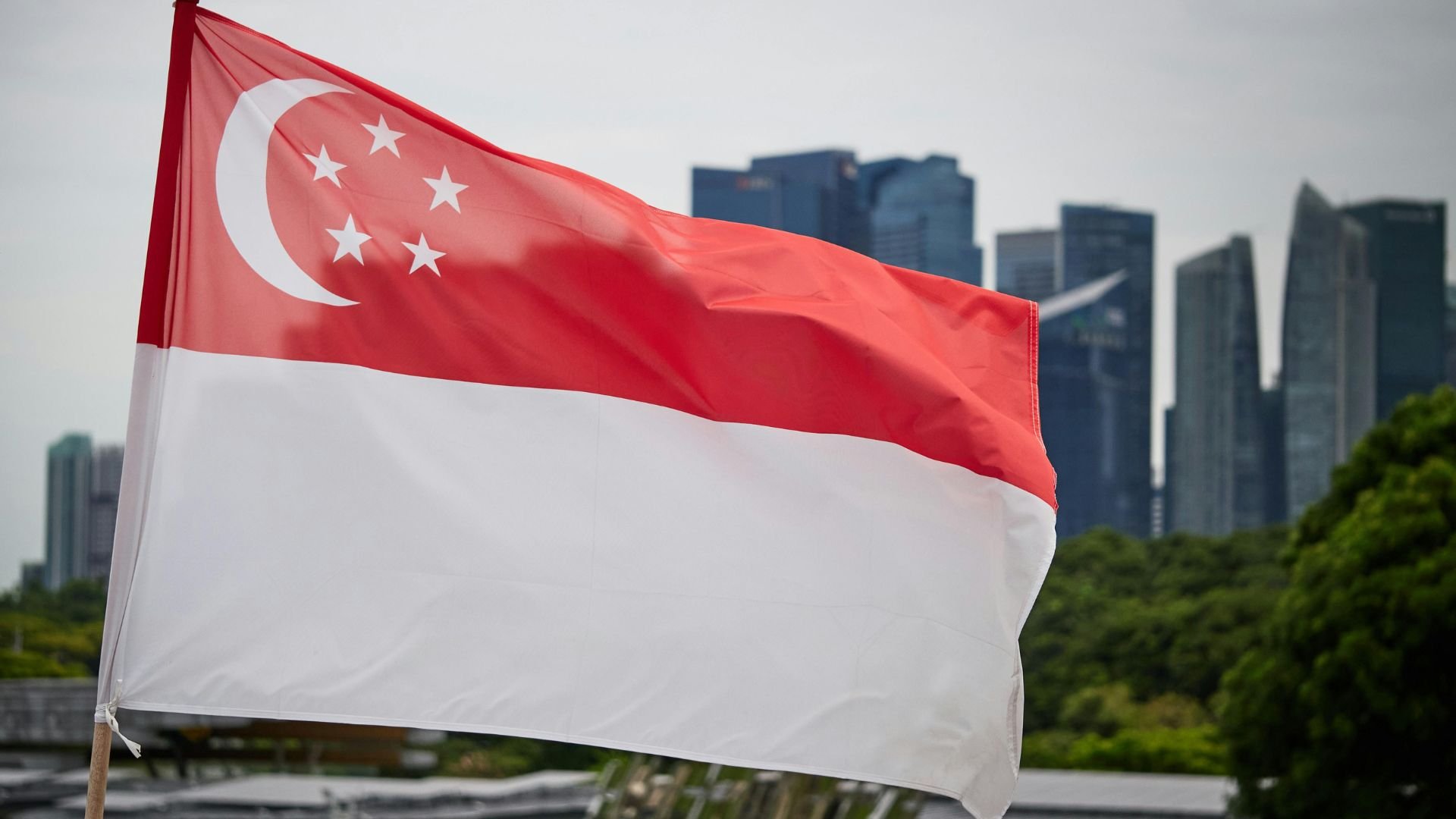
Southeast Asia continues to emerge as one of the most important logistics growth regions in the world.
On August 20, 2026, DP World announced the opening of a new warehouse in Johor, Malaysia, as part of its contract logistics expansion across Southeast Asia. The 11,514-square-meter facility is located within the Johor-Singapore Special Economic Zone and is designed to support warehousing, inbound logistics, time-sensitive supply chains, and stronger connectivity between Malaysia, Singapore, and key regional trade corridors.
For SecurCapital, this development highlights a critical theme in modern logistics: the strongest supply chains are not built around one asset or one market. They are built around connected corridors.
The Johor-Singapore corridor is especially important because it combines proximity, manufacturing relevance, port access, warehousing capacity, and regional distribution potential. As companies continue evaluating how to diversify supply chains, reduce friction, and improve service levels across Asia, Southeast Asian logistics infrastructure will become increasingly valuable.
The opening of new warehousing capacity in Johor also reflects a broader shift in the logistics market. Customers are looking for more than transportation. They need storage, fulfillment support, customs coordination, freight management, visibility, and the ability to respond quickly when demand changes. Warehousing has become a strategic part of the supply chain, not simply a place to hold inventory.
This is particularly true for industries such as technology, automotive, industrial goods, fashion, and other time-sensitive sectors. When goods move across borders and through multiple transportation modes, the location and quality of warehousing can have a direct impact on cost, speed, reliability, and customer satisfaction.
DP World also noted that the Johor warehouse is part of a broader Southeast Asia expansion, including additional warehouse plans in Malaysia, the Philippines, and Thailand, supported by its wider Asia Pacific network of ports, terminals, warehousing, inland transport, air, ocean, LCL, and intermodal freight services.
For SecurCapital, the lesson is clear. Logistics growth is increasingly moving toward integrated regional platforms. Companies that can connect ports, warehouses, inland transport, freight forwarding, and customer-facing supply chain services will be better positioned to serve businesses operating in complex and fast-moving markets.
The Johor announcement also reinforces why Asia remains central to the future of logistics. As trade corridors evolve, companies with disciplined logistics strategies and strong regional relationships will be positioned to capture meaningful growth opportunities.
SecurCapital’s core focus remains logistics, cargo, trade, transportation, and related operating sectors. Developments like this demonstrate why that focus matters. The logistics companies of the future will not simply move goods. They will help customers navigate complexity, manage risk, and create more resilient supply chains across the markets that matter most.