
Air Cargo Demand Shows Why Speed and Flexibility Still Matter in Global Logistics
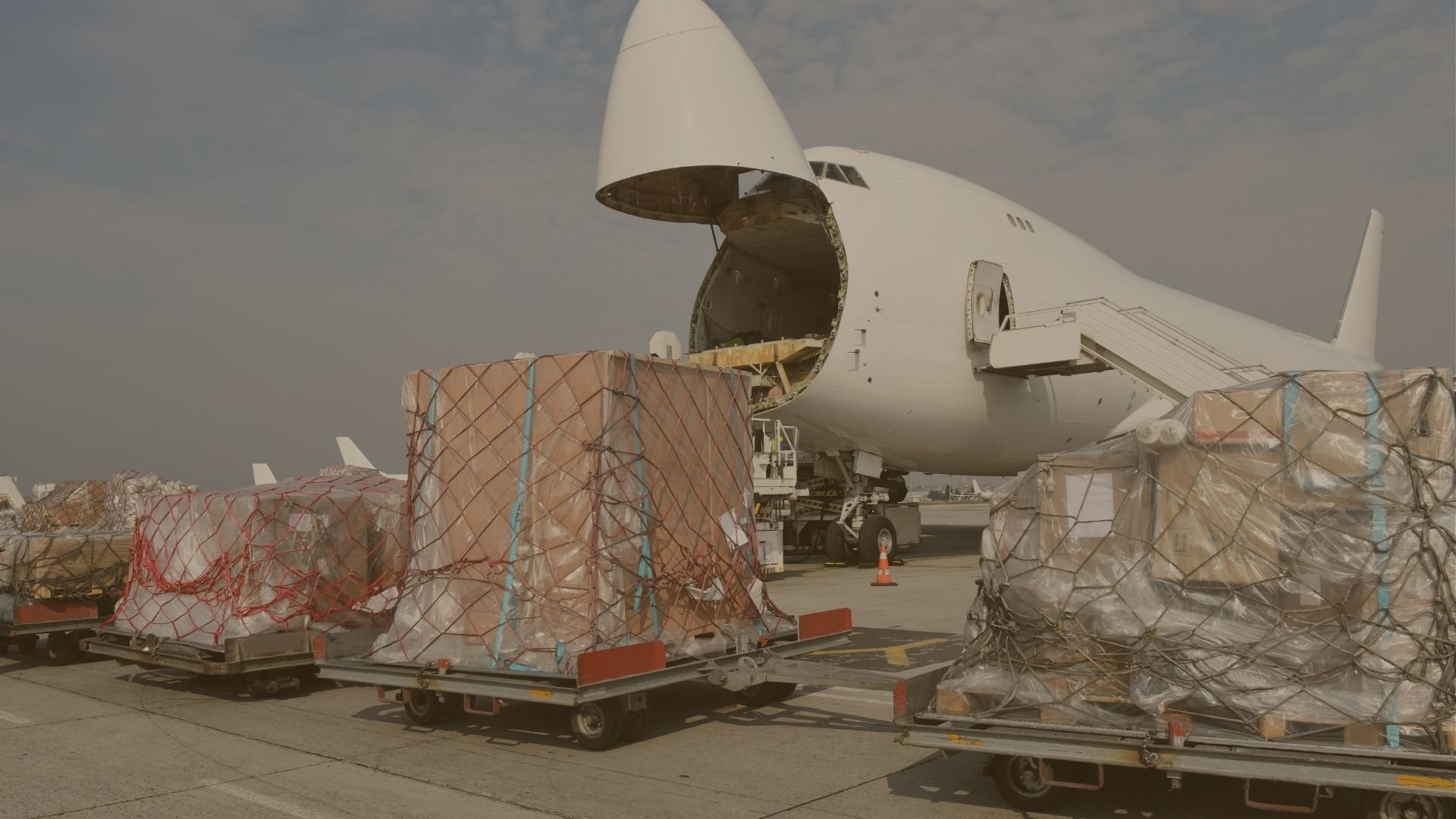
Air cargo continues to prove its value in a changing global logistics market.
On August 31, 2026, the International Air Transport Association reported that July 2026 global air cargo demand increased 3.9 percent compared to July 2025, with international operations up 4.7 percent. IATA also reported that available cargo capacity increased 1.7 percent year over year, while Asia-Pacific airlines saw 4.1 percent growth in air cargo demand.
For SecurCapital, these numbers point to a larger market reality: speed, flexibility, and cargo visibility remain essential to modern supply chains.
Air freight plays a unique role in logistics. It supports urgent shipments, high-value goods, time-sensitive inventory, critical components, e-commerce demand, and supply chain recovery when ocean routes or ground networks face disruption. While air cargo is often more expensive than other modes, it can be one of the most valuable tools when timing, reliability, or continuity is critical.
The July data also shows that demand is not moving evenly across every trade lane. IATA reported strong growth on the Asia-North America lane, continued growth within Asia, and ongoing weakness across certain Gulf-linked corridors affected by Middle East disruption.
That uneven performance is important. It reminds logistics leaders that global averages can hide regional complexity. A company may see strong demand in one lane, restricted capacity in another, higher fuel costs in another, and geopolitical disruption somewhere else. In this environment, logistics strategy cannot rely on static assumptions.
Companies need planning discipline. They need carrier optionality. They need regional knowledge. They need visibility into where cargo is moving, where capacity is tightening, and where customers may need alternate solutions.
For SecurCapital, the continued growth of air cargo supports a core belief about the future of logistics: the most valuable platforms will be those that can help customers respond quickly to changing market conditions. Logistics is not simply about cost management. It is about continuity, responsiveness, and the ability to protect customer commitments when markets shift.
This is especially relevant in Asia, where manufacturing activity, export demand, technology movement, and cross-border trade continue to support the need for reliable cargo options. Air freight will remain an important part of that equation, particularly for companies moving high-value or time-sensitive goods across international markets.
At the same time, disciplined execution matters. Air cargo should not be used only as an emergency measure after a supply chain problem has already occurred. It should be part of a broader logistics strategy that weighs cost, timing, customer expectations, inventory needs, and market risk.
The latest air cargo demand data shows that global trade is still moving, but it is moving through a more complicated operating environment. For logistics-centered companies like SecurCapital, that complexity creates both responsibility and opportunity.
The companies that can combine speed, flexibility, partnerships, and operational discipline will be best positioned to support customers and build long-term value in the logistics market.